
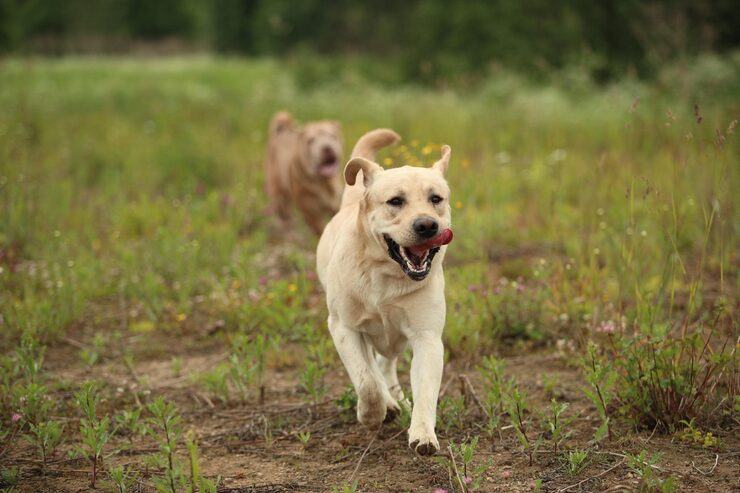
Why Does Your Dog Need More Than a Regular Walk in Denver?
If you have ever come home to a dog bouncing off the walls, chewing furniture, or pacing endlessly, you already know that a short stroll around the block is not always enough. High-energy breeds, working dogs, and young pups often need real cardio, not just a bathroom break. That is where dedicated dog running steps in as a genuine solution for Denver pet owners juggling busy schedules.
Many people assume any form of movement will tire out their dog, but energy needs vary wildly between breeds and individual personalities. A structured run led by an experienced dog handler gives your pup a workout matched to their pace, stamina, and comfort level, rather than a generic walk that leaves them just as restless as before.

Understanding the Role of a Professional Dog Handler
A skilled dog handler does far more than hold a leash. They read body language, adjust pace based on weather and terrain, and know when a dog needs to slow down or push a little harder. This kind of attentiveness transforms a simple outing into a safe, enjoyable fitness session tailored to each animal.
Why One-on-One Attention Matters
Group pack walks can work for some dogs, but many pups do better with focused, individual sessions. A dedicated dog handler who works with one dog at a time can notice subtle signs of fatigue, discomfort, or excitement early, adjusting the route or pace before small issues become real problems. This personalized approach also reduces the anxiety some dogs feel around unfamiliar animals during a session.
Building Trust Between Dog and Handler
Consistency builds trust. When the same dog handler works with a pup regularly, the dog becomes more comfortable, responsive, and relaxed during outings. Owners often notice their dog greeting their runner with genuine excitement rather than nervous energy, which is a strong sign that the relationship is working well.
How Dog Running Supports Long-Term Health
Cardio exercise is not just about burning off excess energy for the day. Regular dog running sessions support healthy weight management, joint mobility, and cardiovascular health over time. Dogs that receive consistent aerobic exercise also tend to display fewer destructive behaviors at home, since much of that behavior stems from pent-up energy rather than disobedience.
Matching Distance and Pace to Your Dog
Not every dog is built for the same mileage. Athletic breeds may thrive on longer distances at a brisk pace, while smaller or older dogs benefit from shorter, gentler sessions. Dog running programs that offer flexible distance and pace options make it easier to find the right balance for your specific pup, whether that means a quick loop through the neighborhood or a longer route that really lets them stretch their legs.
Safety Considerations During Runs
Weather, pavement temperature, and traffic all play a role in how safe a run truly is. A responsible dog handler pays attention to these details constantly, adjusting routes and pacing to avoid overheating or unnecessary risk. This kind of situational awareness is something a busy owner may not always have time to manage on their own during a hectic workweek.
What to Look for in a Reliable Running Service
Choosing the right service comes down to trust, consistency, and communication. Owners want to know their dog is safe, well cared for, and genuinely enjoying their time outside, especially when they cannot be there themselves.
A Few Things Worth Checking
Before committing to any service, it helps to know what a quality experience actually looks like.
- Individual attention rather than large, mixed group sessions
- Clear updates or reports after each outing
- Flexible scheduling that fits a working household
- Experienced staff who understand different dog temperaments
- Safety-focused routes suited to your dog’s fitness level
These small details add up to a much more reliable experience for both the dog and the owner watching from afar.
Choosing the Right Fit for Your Dog’s Personality
Every dog has a distinct personality, and matching that personality to the right kind of exercise makes a real difference. Some pups are natural athletes who crave a fast pace and long distance, while others do better with a steady, moderate rhythm that still gets their heart rate up without overwhelming them.
A thoughtful dog handler takes the time to understand these differences rather than applying a one-size-fits-all approach. This might mean starting with shorter sessions and gradually building endurance, or recognizing when a dog needs a rest day rather than pushing through fatigue. Over time, this attentiveness leads to a dog that is not only physically fit but noticeably calmer and more content at home.
Owners often notice changes beyond just physical tiredness. Dogs that receive regular, well-matched exercise tend to sleep better, show less anxiety when left alone, and display fewer signs of boredom-driven behavior like excessive barking or chewing. The mental benefits of a good run are just as significant as the physical ones, since dogs process stress and excess energy through movement.
Signs Your Dog Might Need More Structured Exercise
A few common indicators can help owners recognize when it is time to consider a more structured routine.
- Restlessness or pacing shortly after a regular walk
- Destructive chewing or digging at home
- Excessive barking when left alone
- Difficulty settling down in the evening
- Weight gain despite occasional walks
Recognizing these patterns early makes it easier to adjust a dog’s routine before frustration builds on either side of the leash.
Conclusion
Finding the right exercise routine for a dog is not about doing more for the sake of it, but about doing what genuinely fits that individual animal’s needs. A structured run, guided by someone who understands pacing, safety, and canine behavior, can make a meaningful difference in a dog’s overall wellbeing, especially for owners with demanding schedules who cannot always provide that level of daily activity themselves.
If your dog has been showing signs of pent-up energy or restlessness, it may be worth exploring a more consistent, professionally guided routine. A well-matched pace, a trustworthy routine, and an experienced eye on your dog’s safety can turn daily exercise from a chore into something both you and your pup genuinely look forward to.

