

Beyond Silicon: The Rise of Neuromorphic Chips and Future Processing Power
Introduction
As the digital world evolves at lightning speed, traditional computing systems are hitting physical and performance limitations. Silicon-based processors, which have powered technology for decades, are now struggling to meet the growing demands of artificial intelligence, edge computing, and energy efficiency. Enter neuromorphic chips—brain-inspired processors that promise to redefine how we compute, learn, and interact with machines.
This silent revolution in hardware design is pushing boundaries by mimicking the human brain’s neural architecture. Neuromorphic computing represents a shift not just in speed or power, but in the fundamental structure of how processors handle information.
What Are Neuromorphic Chips?
Brain-Inspired Processing
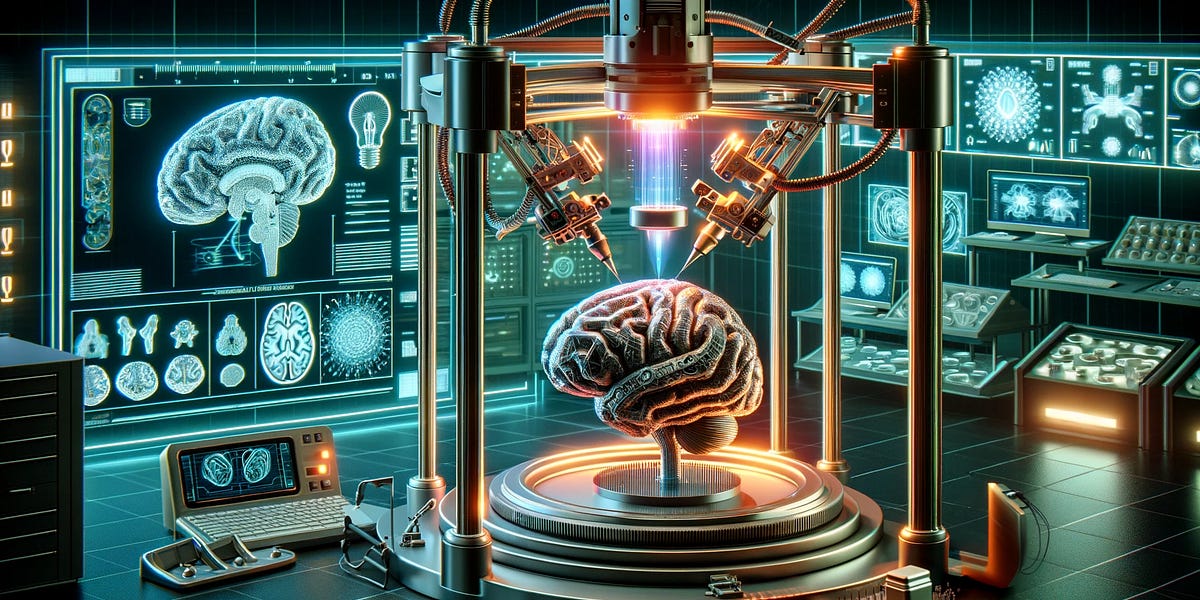
Neuromorphic chips are designed to function similarly to the biological neurons and synapses in the human brain. Rather than processing data in a linear, instruction-based manner like traditional CPUs or GPUs, these chips use spiking neural networks (SNNs). Neurons in this architecture activate (or “spike”) only when specific thresholds are reached, allowing for extremely energy-efficient and event-driven computing.
This model enables real-time decision-making and adaptive learning, with processing happening in a distributed, parallel fashion—just like in the human brain.
Breaking Away from Von Neumann Architecture
Traditional computers use the von Neumann architecture, where the CPU and memory are separate units, leading to bottlenecks known as the “von Neumann bottleneck.” Neuromorphic systems eliminate this delay by combining processing and memory functions. This merge of computation and storage dramatically improves speed and efficiency, particularly for AI workloads.
The Growing Importance of Neuromorphic Computing
1. Addressing Power and Performance Limits
Modern AI models and high-performance computing tasks demand enormous processing power, which leads to excessive energy consumption and heat. Neuromorphic chips operate on a completely different energy profile. By using event-based computation and localized memory access, they consume far less power than traditional chips—making them ideal for embedded devices, wearables, and autonomous machines.
2. Real-Time Learning and Adaptability
One of the most impressive capabilities of neuromorphic processors is their ability to learn on the fly. These chips support localized learning rules like spike-timing-dependent plasticity (STDP), enabling systems to adapt to new inputs without retraining from scratch. This allows devices to operate in dynamic, unpredictable environments, such as robotics, autonomous vehicles, or health monitoring.
3. Scalability and Parallelism
The structure of neuromorphic chips allows them to scale efficiently, much like biological brains. Thousands—or even millions—of artificial neurons and synapses can operate in parallel, performing massive computations simultaneously. This scalability is crucial as industries move toward increasingly complex AI systems and real-time applications.
Applications of Neuromorphic Chips
1. Autonomous Vehicles
Self-driving cars require real-time analysis of visual, spatial, and sensor data. Neuromorphic chips can process this information faster and with lower latency, making them ideal for decision-making in safety-critical scenarios. Their energy efficiency also extends battery life—vital in electric vehicles.
2. Robotics
In robotics, neuromorphic hardware enables intelligent control systems that adapt to changing terrain, obstacles, and commands. Unlike rigid, pre-programmed systems, neuromorphic chips allow robots to learn behaviors and respond contextually, just like a human would.
3. Edge AI and IoT
Smart cities, homes, and industrial IoT networks generate vast amounts of sensor data. Processing this data locally (at the “edge”) avoids latency and reduces cloud dependency. Neuromorphic processors are perfect for low-power, always-on edge devices, delivering fast, intelligent analysis where it’s needed most.
4. Healthcare and Wearables
Wearables and medical devices benefit from neuromorphic chips’ compact design and adaptive capabilities. These processors can continuously monitor vital signs, detect anomalies, and respond in real-time—all without draining battery life. This opens the door for personalized health monitoring and predictive diagnostics.
5. Cybersecurity
Detecting patterns and anomalies in network traffic is critical for cybersecurity. Neuromorphic systems excel at recognizing subtle, real-time changes in complex environments, making them well-suited for threat detection, fraud prevention, and behavior-based authentication systems.
Key Features of Neuromorphic Chips
Energy Efficiency
Neuromorphic systems dramatically reduce energy usage by only activating neurons when necessary. This event-driven model eliminates unnecessary computation and supports extended battery life in mobile or remote applications.
Massive Parallelism
Modeled after the brain’s structure, neuromorphic chips use thousands to millions of artificial neurons and synapses that can process data in parallel, speeding up complex computations.
On-Chip Learning
Neuromorphic hardware can be designed with built-in learning capabilities, allowing devices to learn from inputs in real time without needing cloud connectivity or reprogramming.
High Fault Tolerance
Just like the brain, neuromorphic systems can continue functioning even when some elements fail. This makes them ideal for mission-critical systems that require high reliability.
Major Developments and Innovations
The field of neuromorphic computing has seen significant innovation, with chips now containing millions of neurons and synapses. These processors are evolving to support more complex learning algorithms, higher performance, and greater energy efficiency. Some systems are now outperforming traditional processors in AI-specific tasks, especially those involving sensory data, like image recognition or sound processing.
Cutting-edge neuromorphic platforms are being developed for use in everything from aerospace to consumer electronics. Some include hybrid architectures that combine neuromorphic cores with conventional CPU and GPU elements, allowing systems to switch between traditional and brain-like computing depending on the task.
Challenges Facing Neuromorphic Technology
1. Lack of Standardized Software
Neuromorphic computing still lacks mature software ecosystems. Unlike traditional CPUs or GPUs with robust development tools, neuromorphic chips require custom environments. This increases the learning curve for developers and limits mainstream adoption.
2. Hardware Complexity
Designing chips that emulate brain behavior is a highly complex process. Ensuring that the architecture is scalable, reliable, and manufacturable at a reasonable cost is a significant engineering challenge.
3. Compatibility with Existing Systems
Neuromorphic chips operate differently from current digital systems. Integrating them with existing hardware and infrastructure can be difficult, requiring specialized interfaces and communication protocols.
4. Limited Commercial Deployment
While promising, neuromorphic processors are still in the early stages of commercialization. Industries are cautious about adopting new hardware due to uncertainty about longevity, support, and return on investment.
The Future of Neuromorphic Computing
Hybrid Architectures
As neuromorphic chips improve, we’ll likely see hybrid systems combining traditional silicon processors with neuromorphic cores. This allows each processor type to handle tasks best suited to its architecture—neuromorphic for pattern recognition and learning, traditional chips for arithmetic and logic operations.
Integration in Consumer Devices
Future smartphones, smartwatches, and wearables could incorporate neuromorphic processors to support offline, low-power AI—enabling advanced features like gesture recognition, adaptive interfaces, and personalized assistants.
Smart Cities and Infrastructure
From intelligent traffic systems to real-time environmental monitoring, neuromorphic chips could power the next generation of smart infrastructure, offering scalable, energy-efficient solutions for data-intensive environments.
Advancements in Neuromorphic Software
New programming languages and AI frameworks are emerging to support neuromorphic development. As tools become more accessible, expect a broader range of applications and faster innovation cycles.
Conclusion
The limitations of silicon-based computing are becoming more apparent in an era that demands real-time intelligence, low latency, and high energy efficiency. Neuromorphic chips offer a groundbreaking alternative—delivering brain-like computation that is fast, adaptive, and incredibly efficient.
As neuromorphic hardware matures, we are poised to enter a new era of computing where machines can sense, learn, and respond as seamlessly as humans do. From autonomous systems to personalized healthcare and edge AI, the applications are vast and transformative.
While challenges remain, the momentum is undeniable. The future of processing power lies not just in faster silicon, but in smarter, brain-inspired architectures—going beyond traditional computing into a world where hardware can truly think.